As hard as it is to believe, many of the stations on New York’s first subway line were originally half as big as they are today.
When the IRT, the city’s first subway system, first opened, the local stations were only built to be able to handle trains four to five cars long.
It didn’t take long for them to realize that this would be nowhere near enough. In 1910, just six years after the IRT first opened, they started lengthening platforms by around 20 to 30 feet. This allowed them to cram up to six cars in the stations. Even still, some stations could only fit six cars by opening only one door in the first and last car.
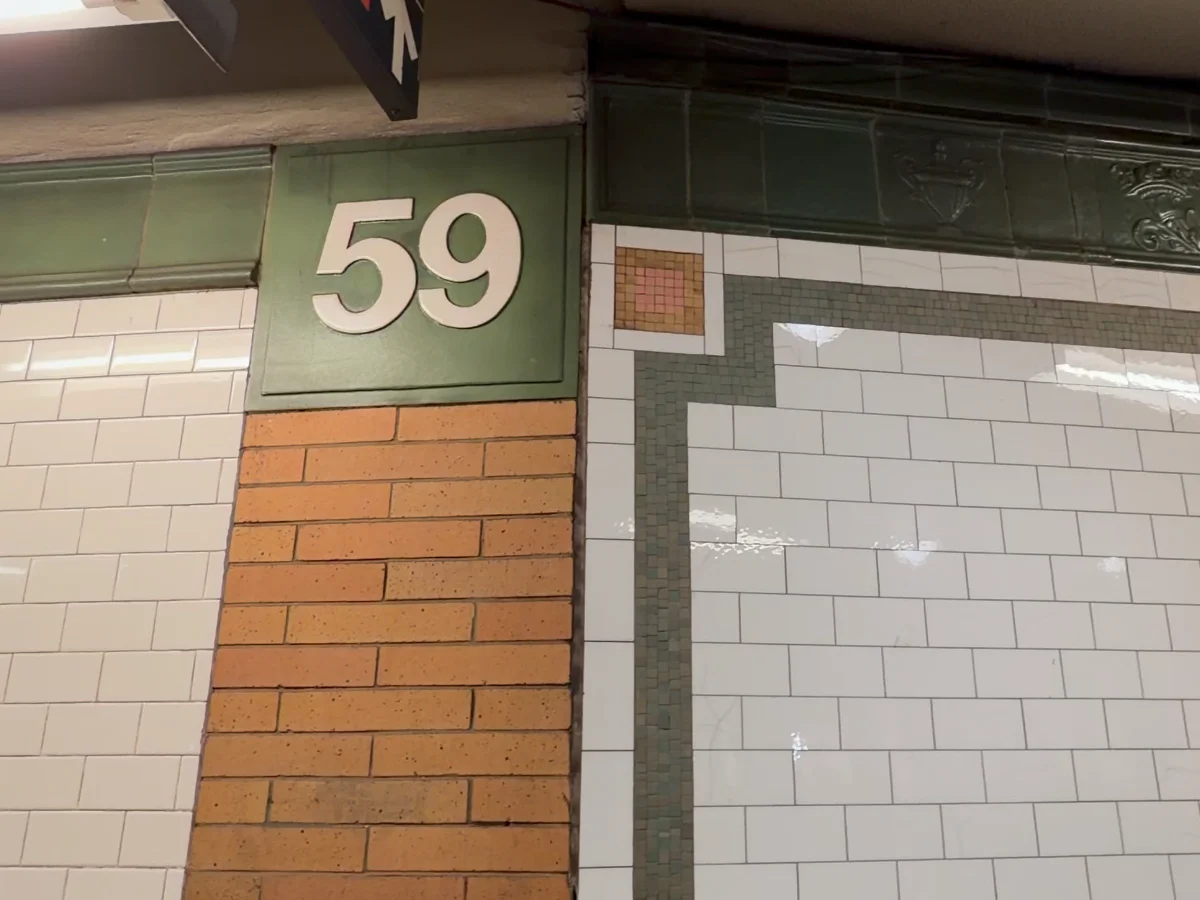
Clearly, this still wasn’t enough. By the 1920s, plans were drafted to nearly double the length of the IRT stations up through 96th Street.
This platform lengthening happened in fits and bursts. The IRT, still an independent company at that point, complained about the cost, while the city tried to force their hand. Ultimately, New York’s three subway systems unified in 1940, and the city started moving to lengthen all of the old IRT stations.
By the end of the 1950s, the lengthening process was complete. The new stations were over twice as long as the original stations, and many stations were cut from service.
The famous city hall station was closed because its curved track was deemed too hard to lengthen. And after adjacent stations were made longer, the 18th Street station on Lexington Avenue and the 91st Street station on Broadway were closed.
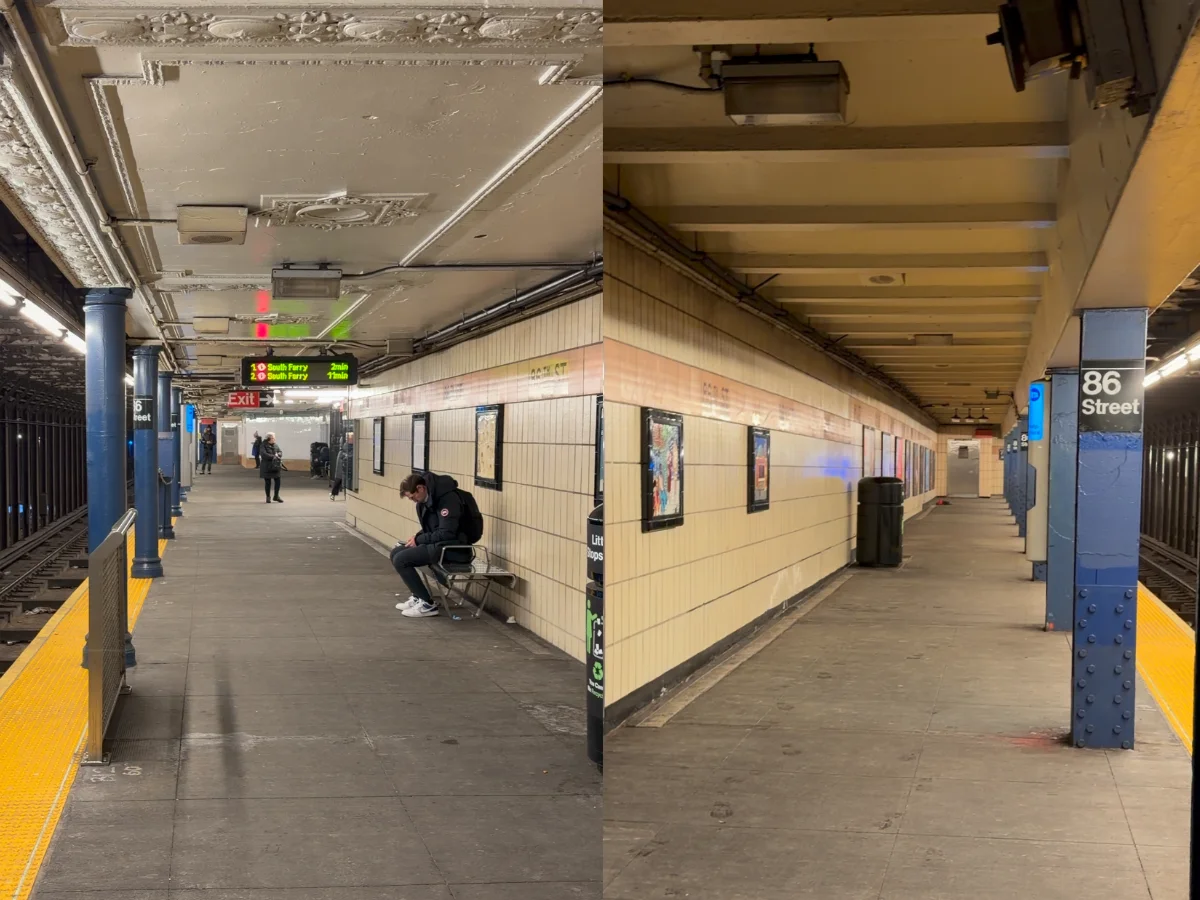
But within the stations that remain, you can often see where this lengthening happened. Many of the original support columns in subway stations were round, whereas new ones are often rectangular. And you can often see a shift in tile work as well.
So, next time you’re in the subway, look around and see if you can identify any signs of where your station might have been lengthened. You never know what you might find.