New York is a city of apartments, and outside almost every building is some kind of intercom. But where did the intercom come from, and why does New York seem to need it more than almost anywhere else?
In the 1800s, before the telephone, there was the speaking tube: a simple metal tube built into walls. You spoke into one end and your voice traveled downstairs, usually to the front door or to a servant in another room.

Some early New York brownstones actually still have speaking tubes, but speaking tubes were private, internal to the household.
The modern intercom really only took off after the invention of the telephone. When Alexander Graham Bell’s patent expired in the 1890s, innovation exploded. One of these inventions was a push to talk intercommunications telephone that could be used much like how we think of an intercom today.
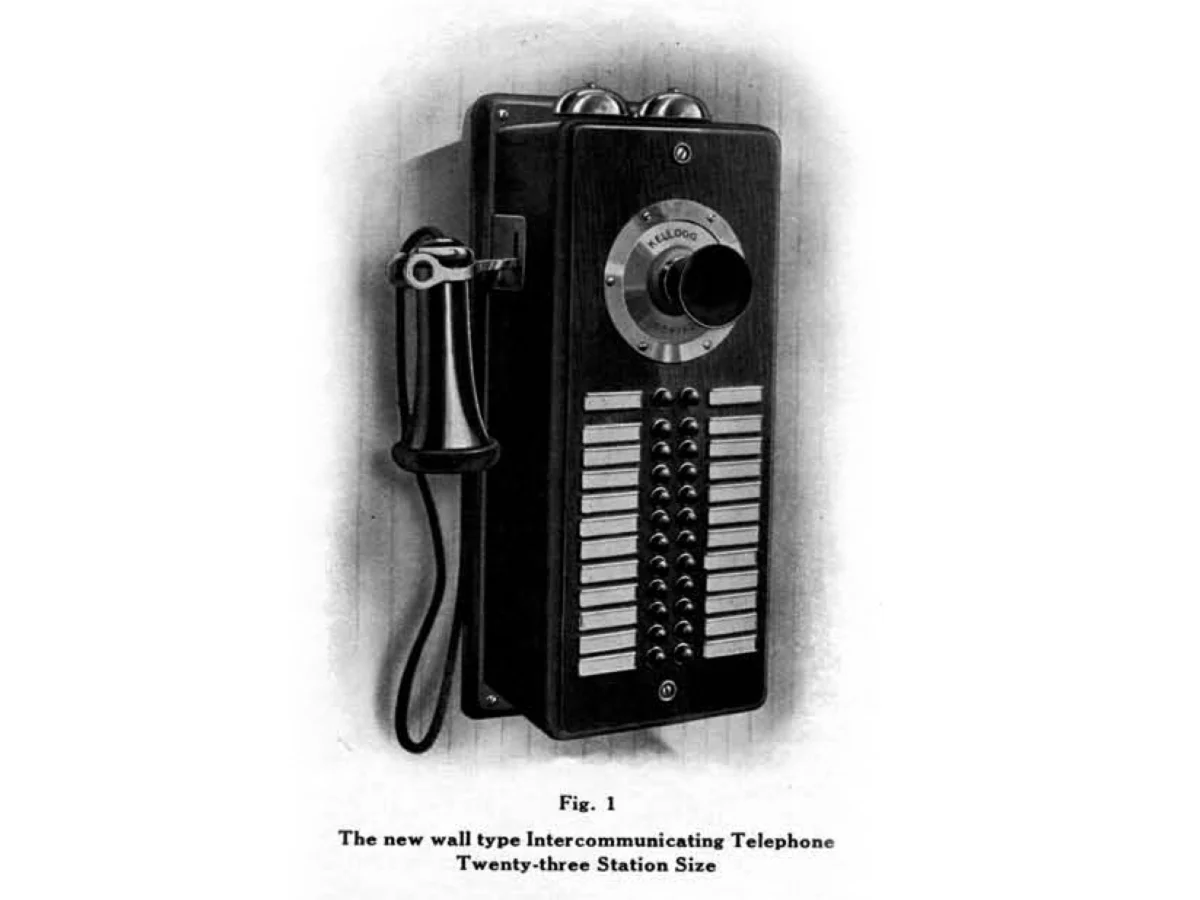
As buildings grew taller and denser, and as remote door unlocking technology improved, these systems spread across the city. By the 1930s, the apartment buzzer was commonplace, solving a key issue in a city where millions live stacked on top of each other: you can’t leave the front door open, but you also can’t run downstairs every time someone knocks.
In the 1960s, New York cemented the intercom’s place in city life. The Multiple Dwelling Law required buildings with more than eight units to install automatically locking doors in an intercom system.
With their future secured, intercoms started taking all sorts of shapes and sizes. In the 80s, video-based intercoms started popping up, allowing people to see who was at their door. And as we entered the smartphone era, soon the intercom could be accessed from your cell phone wherever you were.
But all that convenience comes with trade-offs, from package theft to security vulnerabilities. And at the end of the day, sometimes all you really need is a simple buzzer.
So, what type of intercom do you think is best?