Have you ever stood near the middle of a NYC subway platform and noticed the train conductor opening their window and pointing up at the wall?
The reason they do this is because they are acknowledging the zebra board. The zebra board itself is a black and white bar hung either from the ceiling of the station or on the wall. It is designed to be a clear visual target of where the conductor should be. If the conductor’s window is aligned with the zebra board, then the train is correctly positioned in the station.
The zebra boards themselves date back to around WWI. This was when subway doors first became automatic. All of a sudden, a single conductor was now responsible for opening every door from the middle of the train. It’s not necessarily easy to see the entire platform from the middle of the train, especially as platforms became longer. If the train isn’t lined up correctly, passengers might step straight into the tunnel. But, with the zebra boards in place, the conductors could make sure their trains were aligned.
However, a system like this is only useful if the conductors actually use it. There were a series of subway incidents in the 90s where conductors opened the doors in the wrong place or on the wrong side. This prompted Joe Hoffman, VP of Subways at the time, to borrow a practice he had seen in Japan known as “Pointing and Calling.”
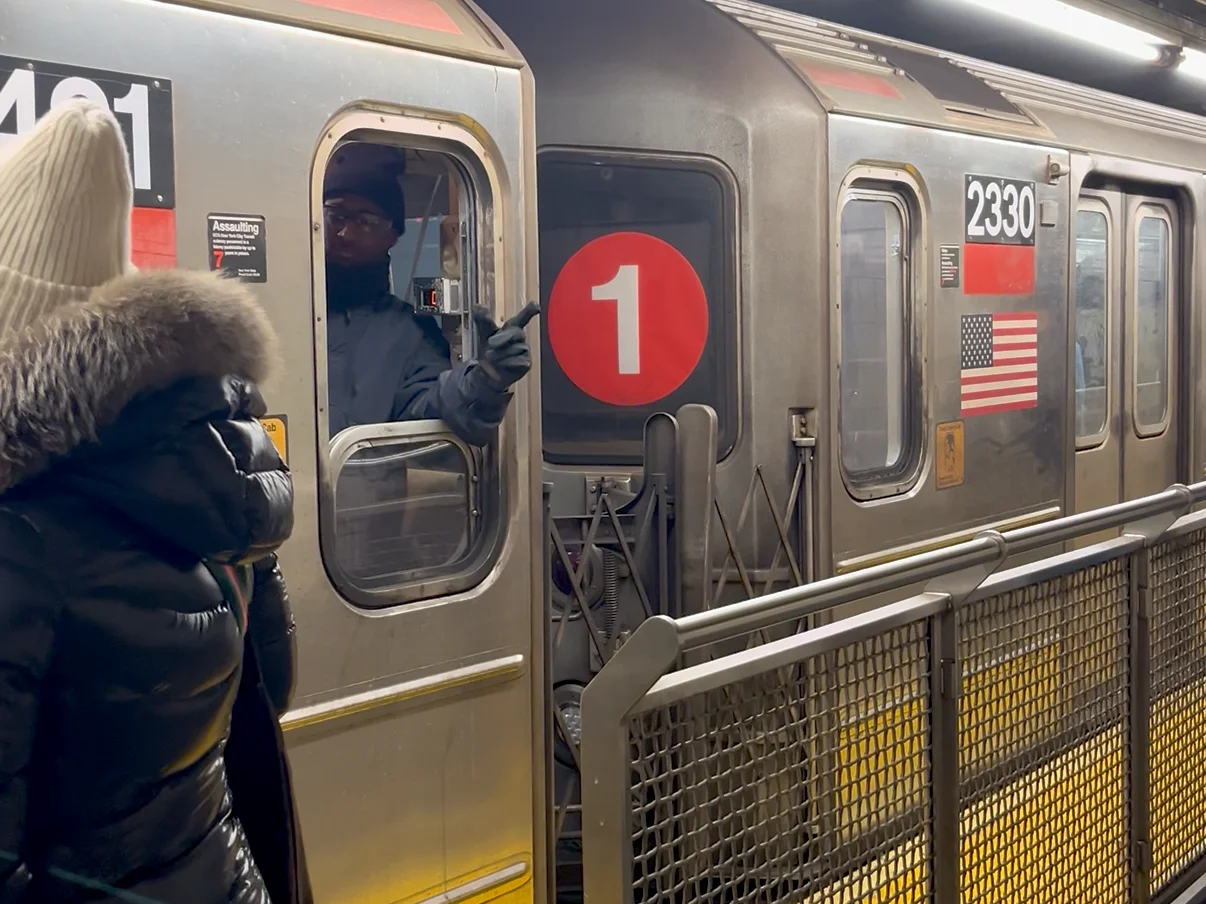
Conductors now must lower their window every time they pull into the station, and actively point and acknowledge the zebra board. This practice is designed to keep train operators engaged, focused, and alert.
Despite being such a simple system, pointing and calling has been found to reduce mistakes by nearly 85% when doing simple tasks. Sometimes the smartest safety systems are the simplest ones.
And this isn’t the only safety system in place. Starting in the late 90s, the MTA started introducing “door enable” technology, which required the train operator, who is driving the train at the front, to activate the doors on a given side when pulling into the station. Only then can the conductor actually open the doors on that side. If a side isn’t activated, the doors can’t open, adding just another layer of security into the system.
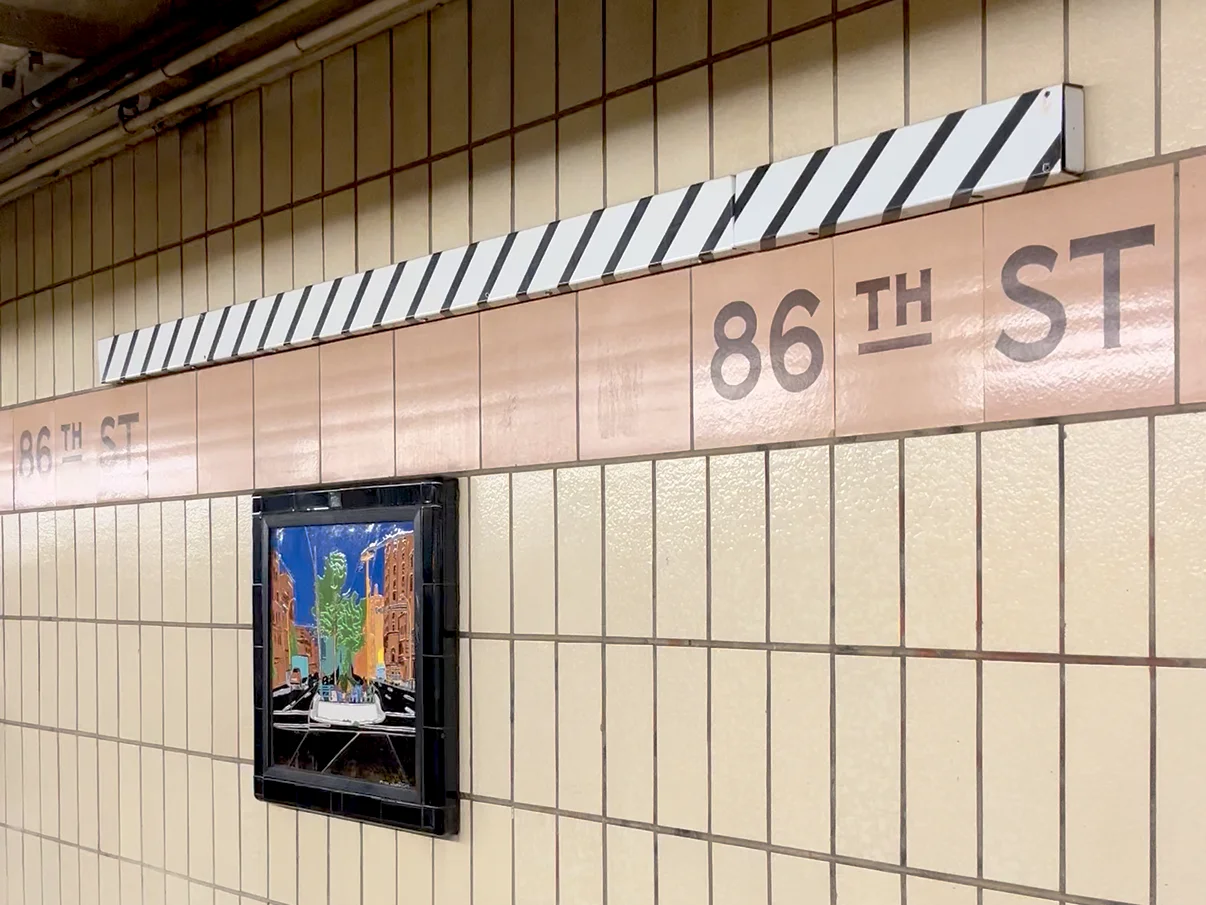
So next time you ride the subway, keep on the lookout for where your conductor is pointing and you’ll see just one of the subway system’s safety operations in practice.