It’s possibly the most famous empty building in the world.
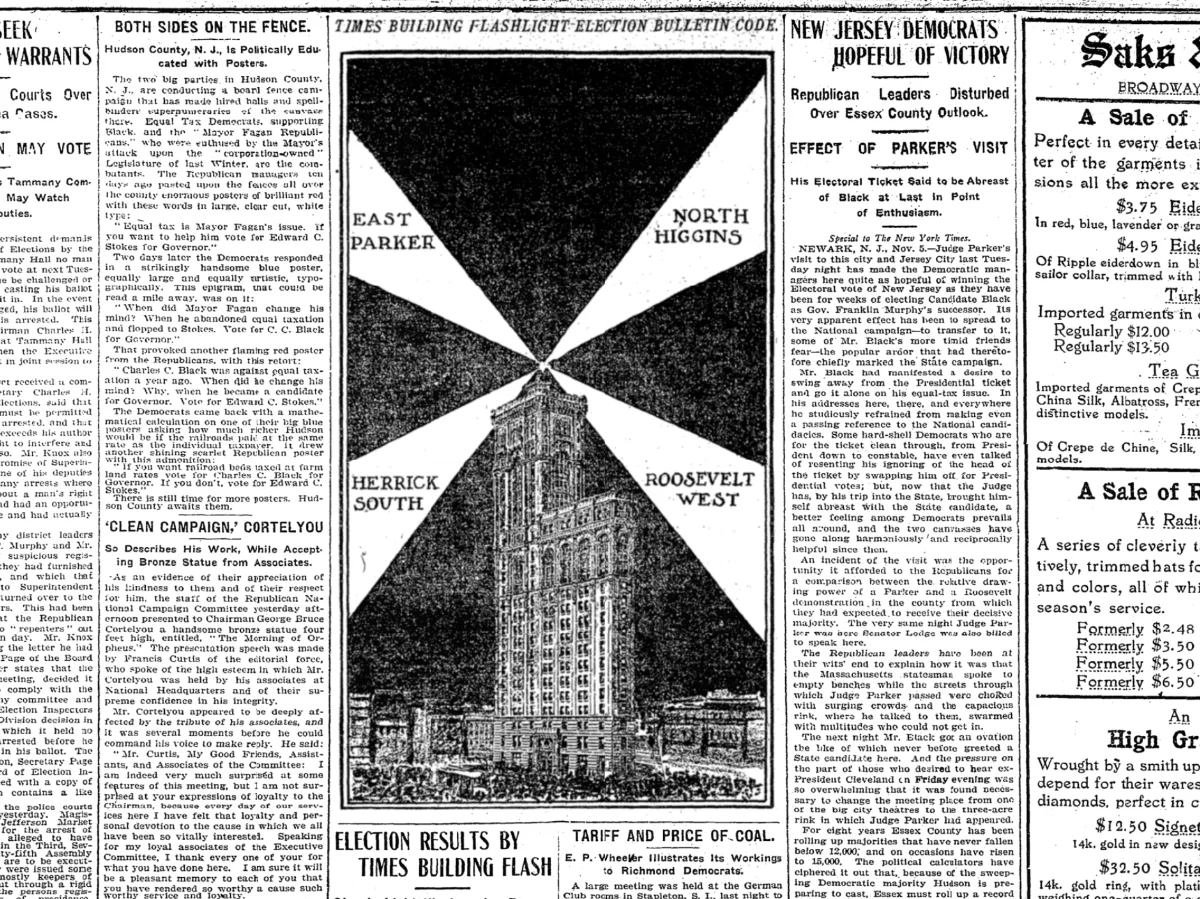
Built in 1904, it was designed as the headquarters of the NY Times - hence the name Times Square. That same year, the New York Times turned the roof into a broadcast platform. Using rooftop searchlights, they announced the 1904 presidential election results in real time. The direction of the beam told New Yorkers who was winning: A light pointed west meant Theodore Roosevelt would stay in office. A light pointed east meant the president would be Alton B. Parker. Long before billboards or screens, this was news as spectacle and a preview of Times Square as we know it today.
Not long after, the building became a New Year’s Eve stage - first with fireworks. Then, after the city banned them, with the first ball drop in 1907. The tradition has continued every year since, except for 2 years during World War II.
By 1913, the Times had outgrown their namesake building and moved out. This would become a pattern, because as it turns out One Times Square is quite small. In fact, it’s only about 4% the square footage of the empire state building.
And that wasn’t going to change. When Allied Chemical bought the building in the 1960s hoping for a glamorous showroom, zoning restrictions blocked most new, taller construction. So instead, they “modernized” the existing building, stripping away the gothic elements back to the steel core.
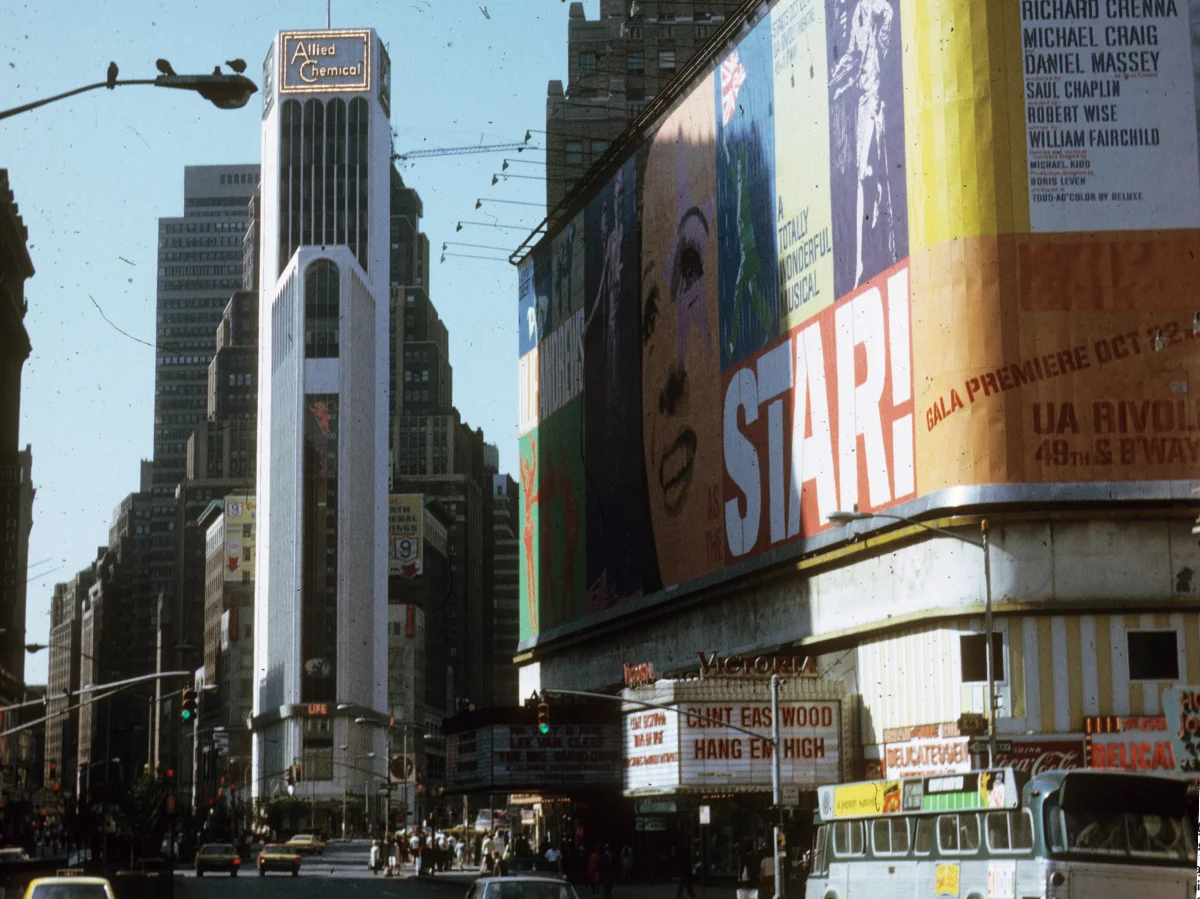
But the building’s most defining change didn’t come until the 1990s, when new owners - including the Lehman Brothers – realized One Times Square was worth more as advertising than as offices. Its value wasn’t its physical structure, it was its visibility.
And that leads us to today, where the building that supports one of the world’s most famous events sits mostly empty, holding the billboards that define Times Square.
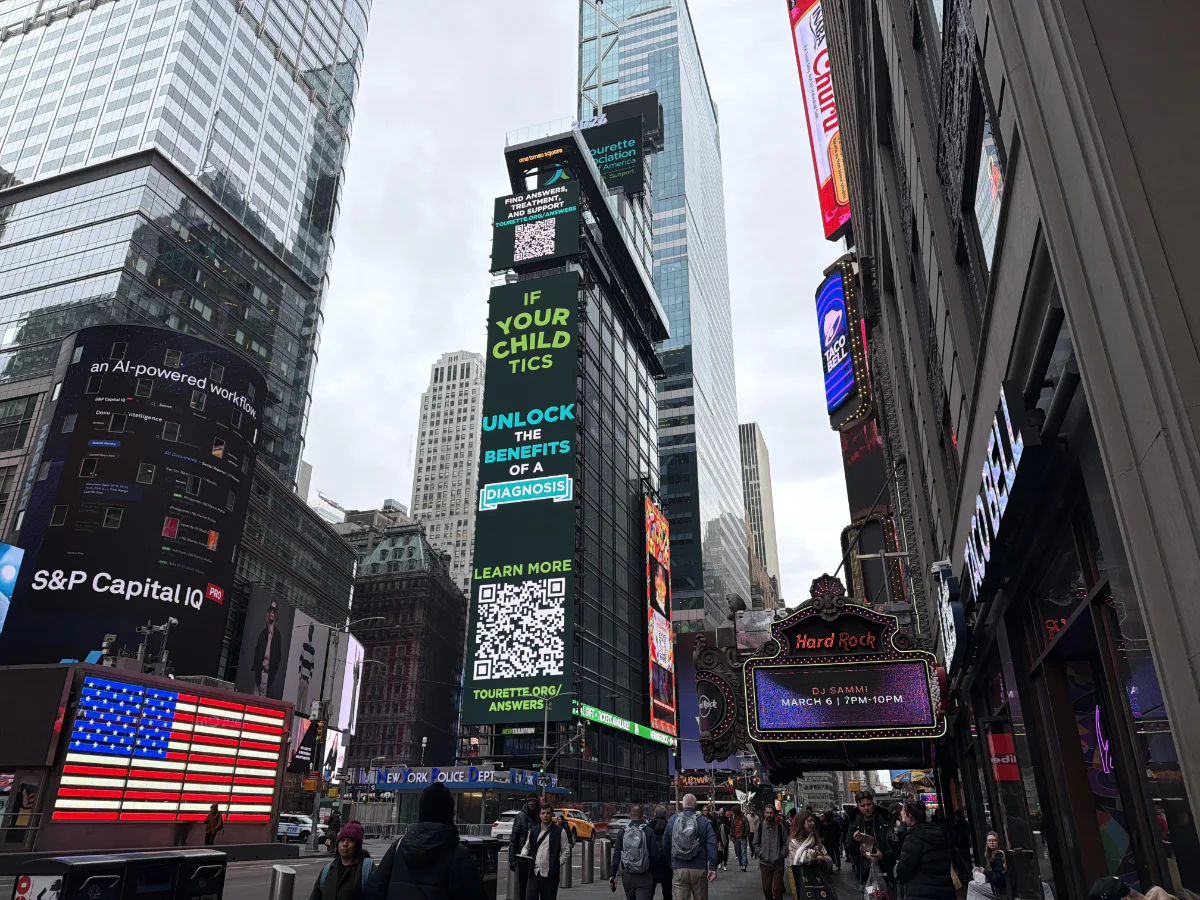
So the next time you watch the ball drop, look at what’s behind the lights. You’re looking at a building that has always been designed to be seen more than used.