After a major snowstorm, like many we had this past year, may notice some inconsistencies among the sidewalks.
While the city unleashes an army of plows to keep the streets clean, clearing the sidewalks is, as always, left to the building owners.
This is because while sidewalks are public spaces, their care has always been treated as a private obligation. This began with an ordinance in 1809 that mandated that property owners clear snow from their sidewalks within four hours, a rule which has more or less stood ever since.
Some businesses take that responsibility very seriously. Others, not so much.
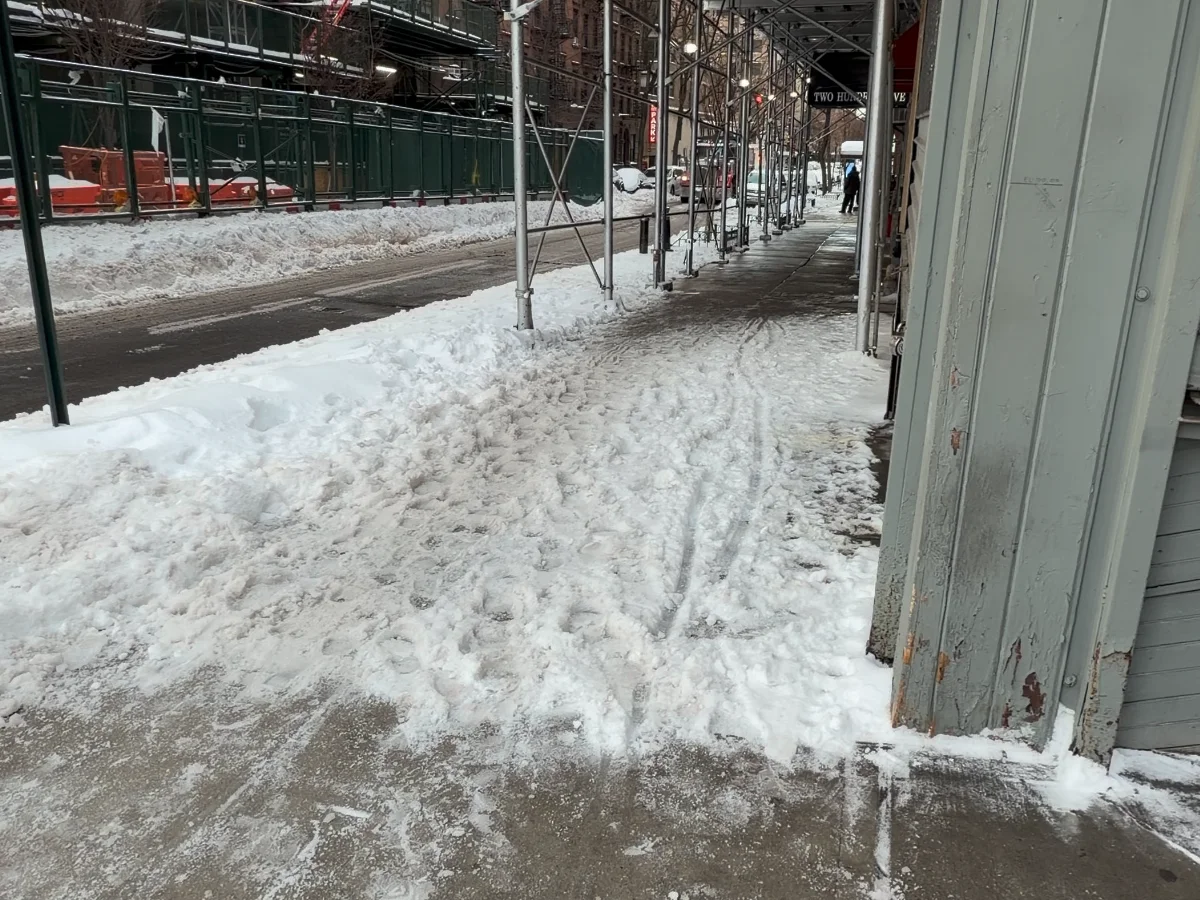
Over time, the city has shifted more and more responsibilities onto the buildings. In 2003, the Bloomberg administration finalized this process by transferring almost all sidewalk injury liability to property owners.
The city often justifies this decision by pointing out that there are over 12,000 miles of sidewalks. The city can save a serious amount of money by putting the burden on property owners. And you would imagine that shops, restaurants, and apartments would be actively incentivized to keep access to their buildings clear and open.
And it’s not like the city does nothing. The Department of Transportation actively inspects sidewalks, and if property owners don’t meet standards, the city can hire private contractors to make repairs at the expense of the property owner.
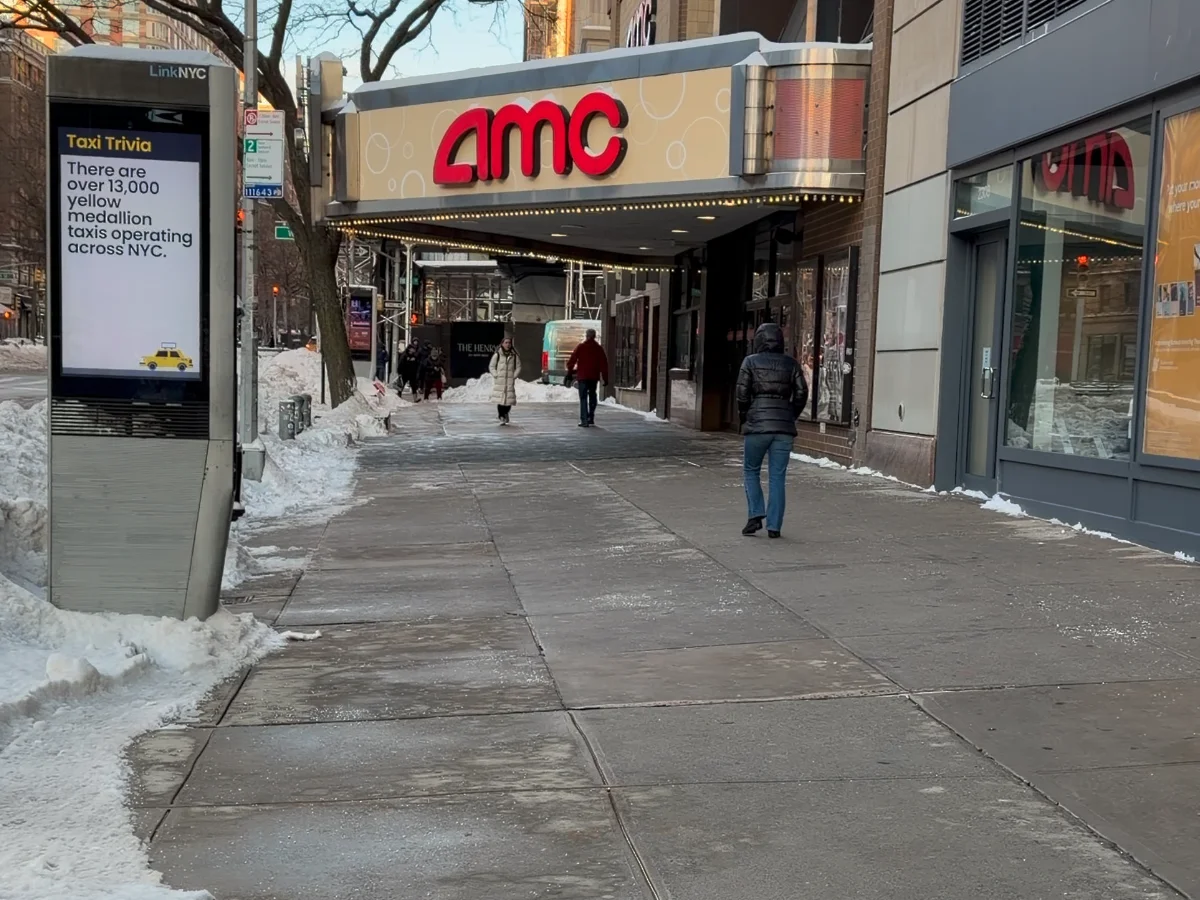
However, in a city where well over half of people don’t own a car, the sidewalk is critical infrastructure. You can find a business that doesn’t clear their sidewalk, but that doesn’t actually make the sidewalk clean.
So that leaves us with the inherent tension of publicly versus privately maintained infrastructure. In a city built for people, the most important piece of infrastructure is the one that nobody quite takes responsibility for.