It may sound like an oxymoron, but there are 3.8 million square feet of these privately owned public spaces (or POPS, as they’re known) across NYC.
Public space is at a huge premium in NY, especially in Manhattan’s dense core.
So, in 1961, the city created a new zoning resolution to encourage developers to make buildings with public plazas or other public amenities.
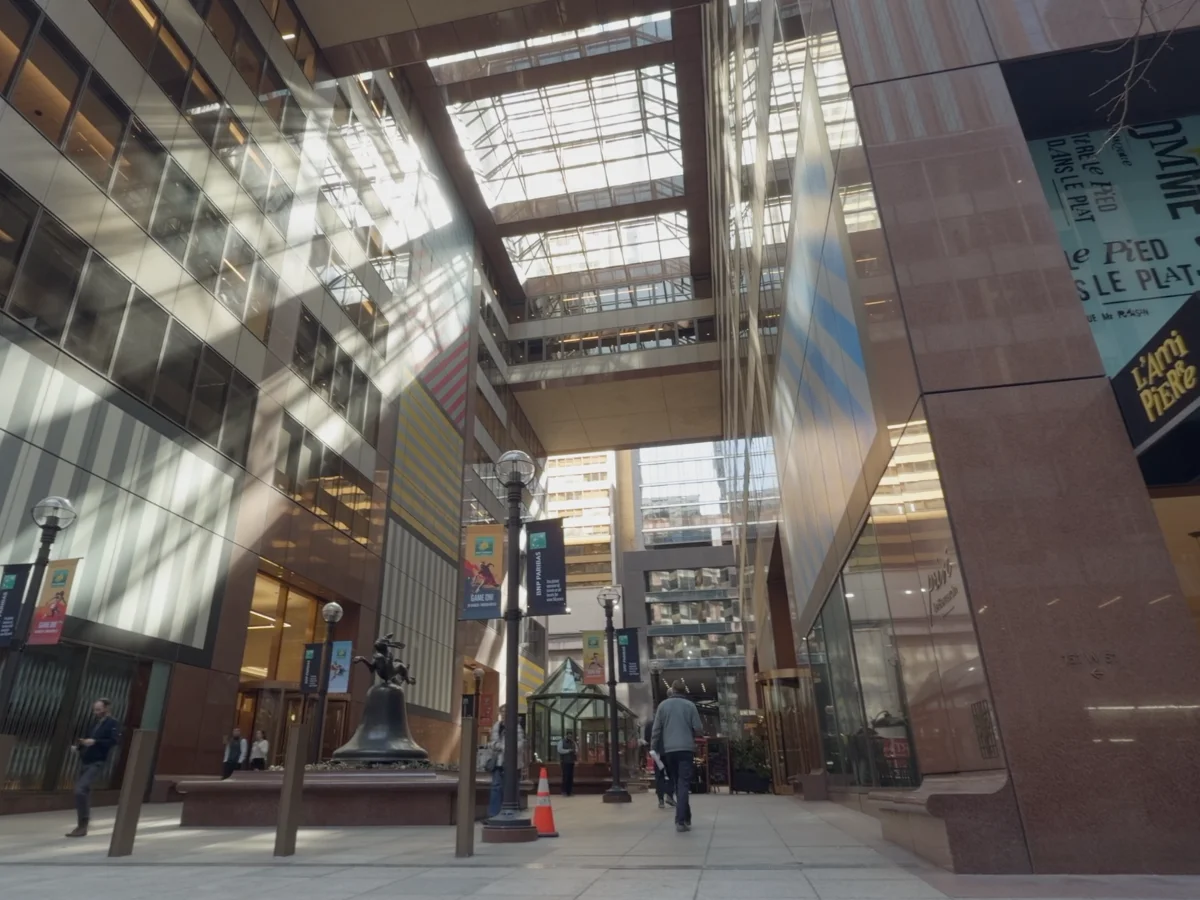
All buildings in NYC have to comply with zoning rules. These impose restrictions on height or size. They require setbacks to make sure light can get down to the street. Overall, these rules are designed to balance a developer’s interest in building the biggest possible building, with the general public interest.
This is where POPS come in. If a developer builds a public space as part of their building, then they can receive a zoning incentive in exchange. The original standard was an additional 10 square feet of floor space in exchange for 1 square foot of plaza or arcade.
Done well, POPS can create vital and beautiful third spaces that enhance their neighborhoods.
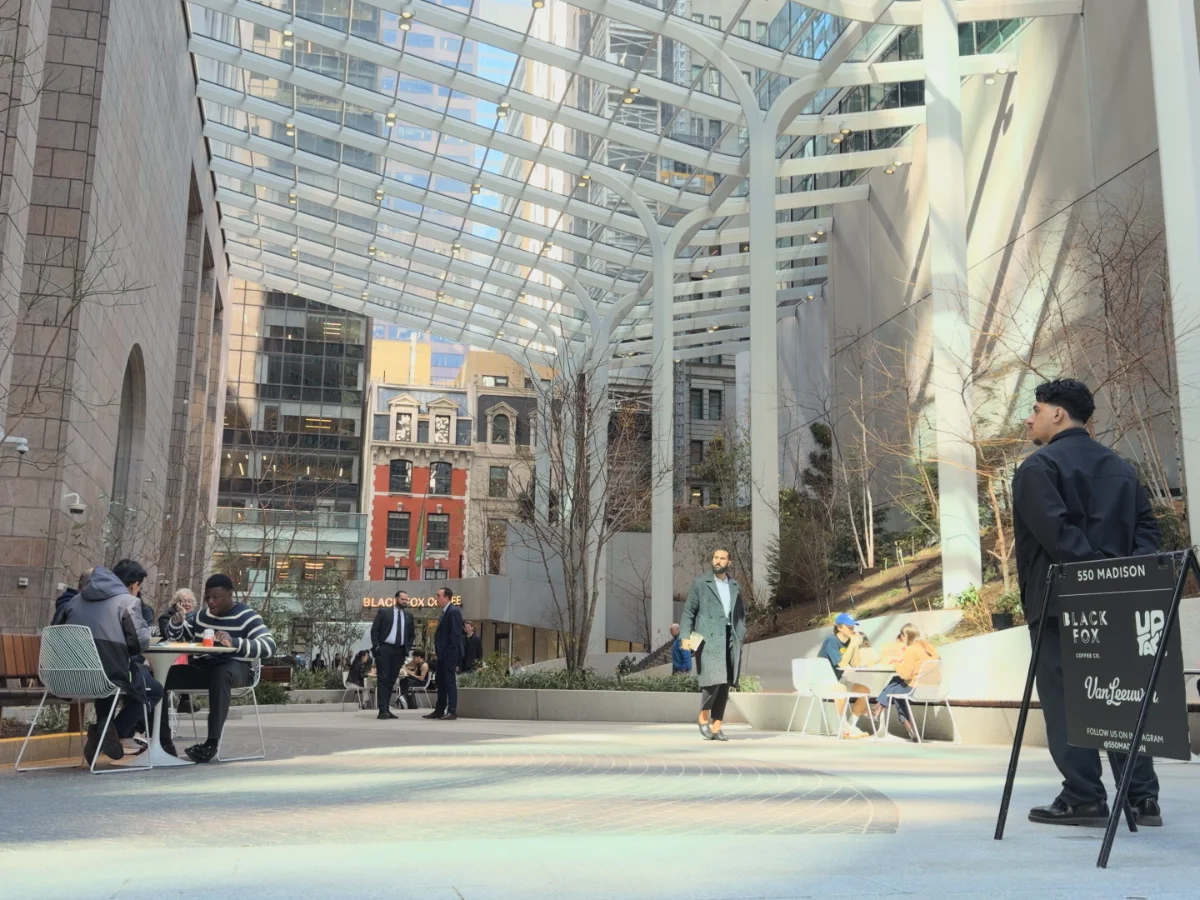
Since their creation in the 60s, POPS have popped up all over Manhattan, and they take a wide array of forms. There are standard plazas outside of buildings. There are parks. There are mid-block pass throughs. Some of the POPS are even indoors.
But they aren’t without controversy.
One of the biggest risks to a privately owned public space is that it might become private. And this risk isn’t just theoretical. Half of the nearly 400 buildings with these public spaces have received some kind of violation from the city.
These violations can take a few key forms:
- Buildings might fence off their POPS, reducing access or making access fully impossible.
- Restaurants or cafes might use POPS for paid seating, encroaching on the public space.
- Or a space might just remove its benches, making it impossible to use for anything but passing through.
And the standard fine for a violation like this is only $5,000, which pales in comparison to the benefits the building owners receive.
Take 888 Seventh Ave, for instance. According to the NYTimes, they received a $5,000 penalty when Brooklyn Diner started using the space for outdoor dining, as can be seen in these google street view photos from as recent as 2024.
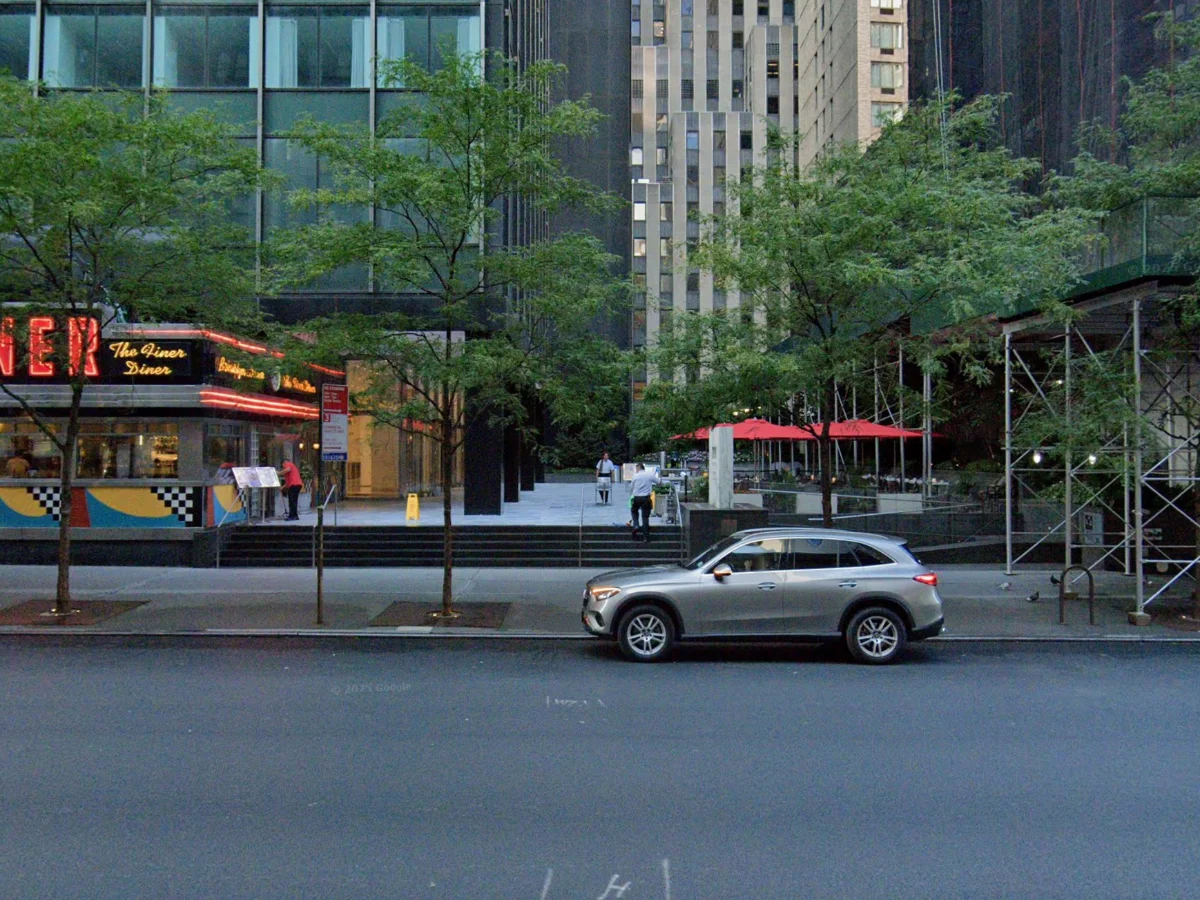
However, by building their 10,000 square foot plaza, the city allowed them to build an additional 120,000 square feet of office space, which a back-of-the-envelope calculation says is worth over $7M a year in rent.
When we went by, the outdoor dining was gone, but it is only the early spring.
And, violations aside, many of the POPS simply aren’t very good spaces.
A study of the POPS in 2000 found that 41% of them were of quote “marginal” quality, with the POPS from the earliest era being the worst.
In the 60s, when this experiment began, the city didn’t really have any requirements for what these public spaces needed to have or look like. And so building owners paved a wider sidewalk and said it was a plaza, with no regard for seating, sunlight, or really any general quality at all.
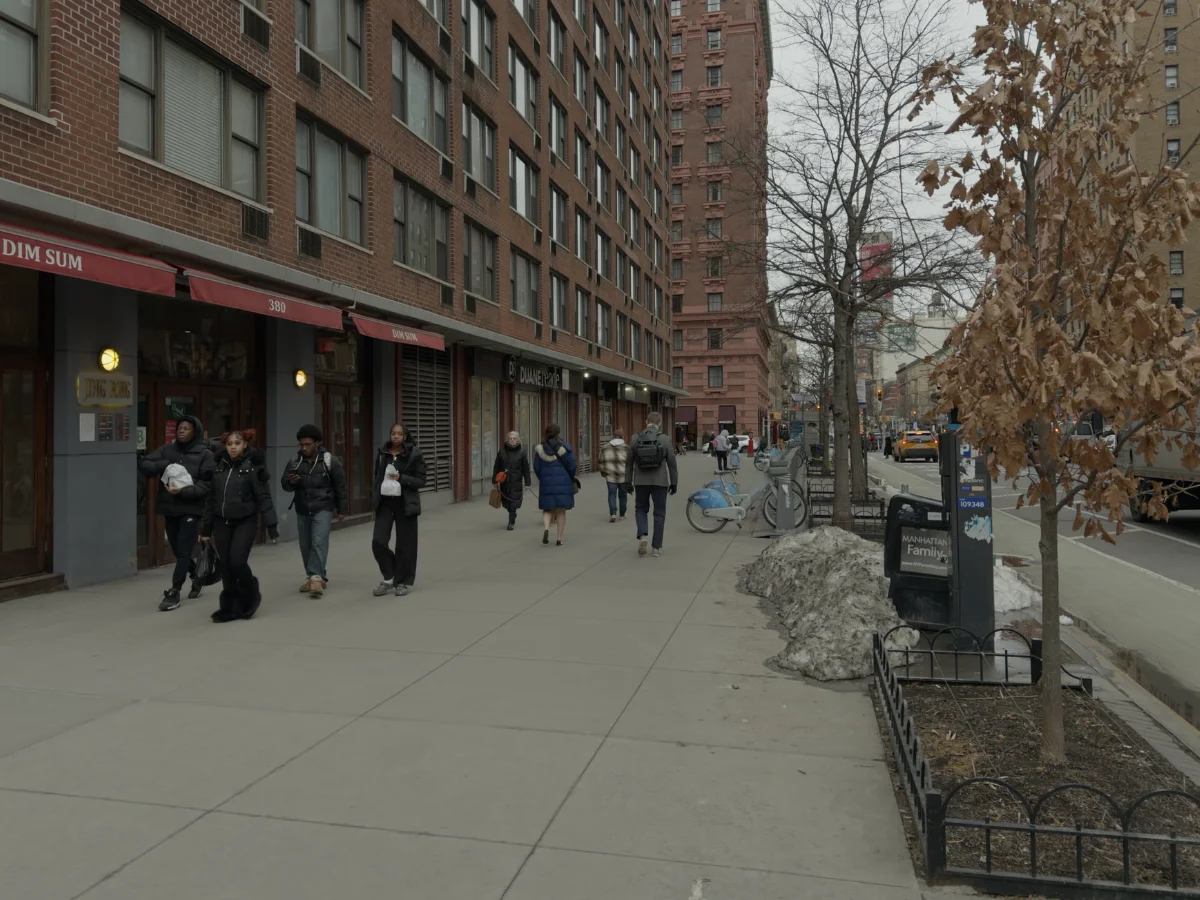
Take 200 West 79th st. The sidewalk is definitely wider, but is this really an improved public space?
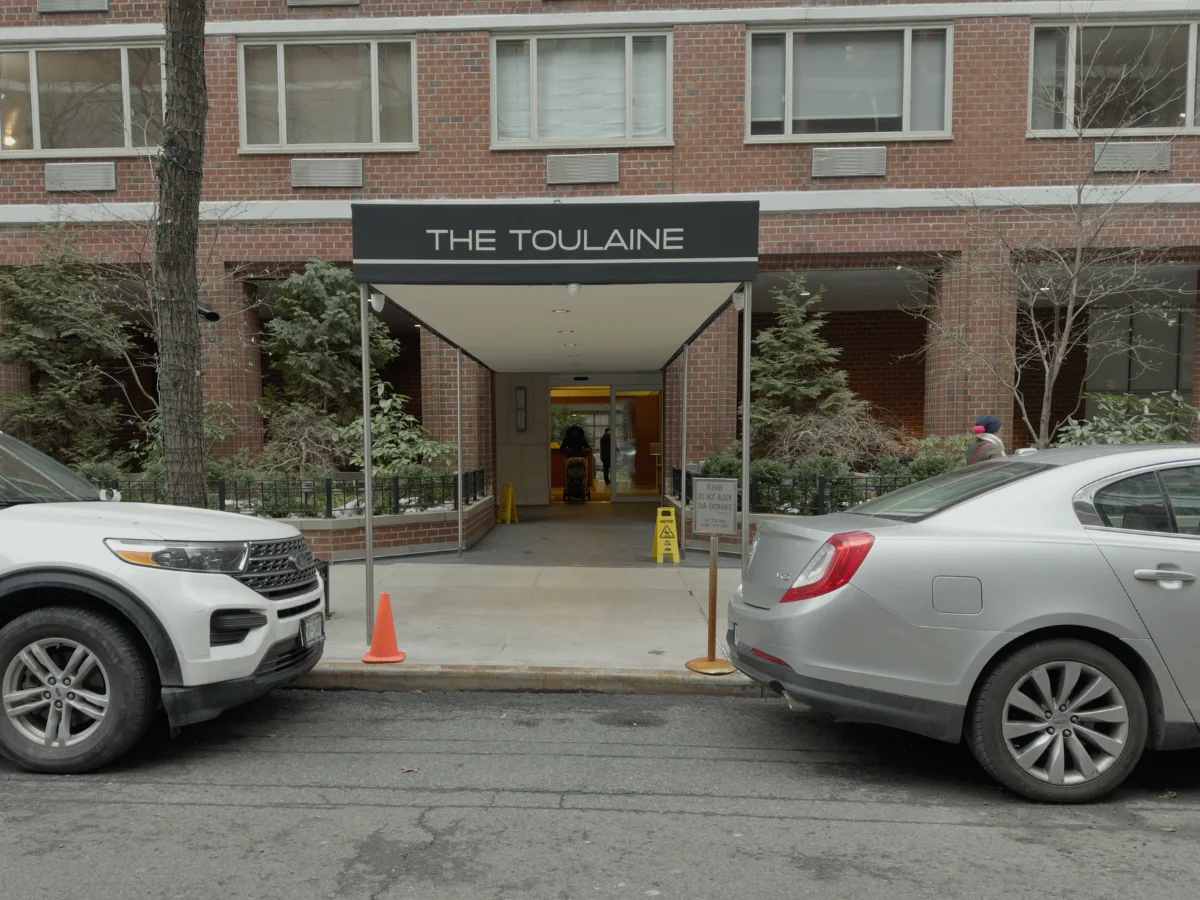
Or consider 130 W 67th St. To access this privately owned public space, you have to walk as though you were going to enter the apartment lobby. Then on either side the door is a small covered space, apparently for general public use.
Thankfully, later rules enforced quality of life standards on these spaces, and many of them are quite nice.
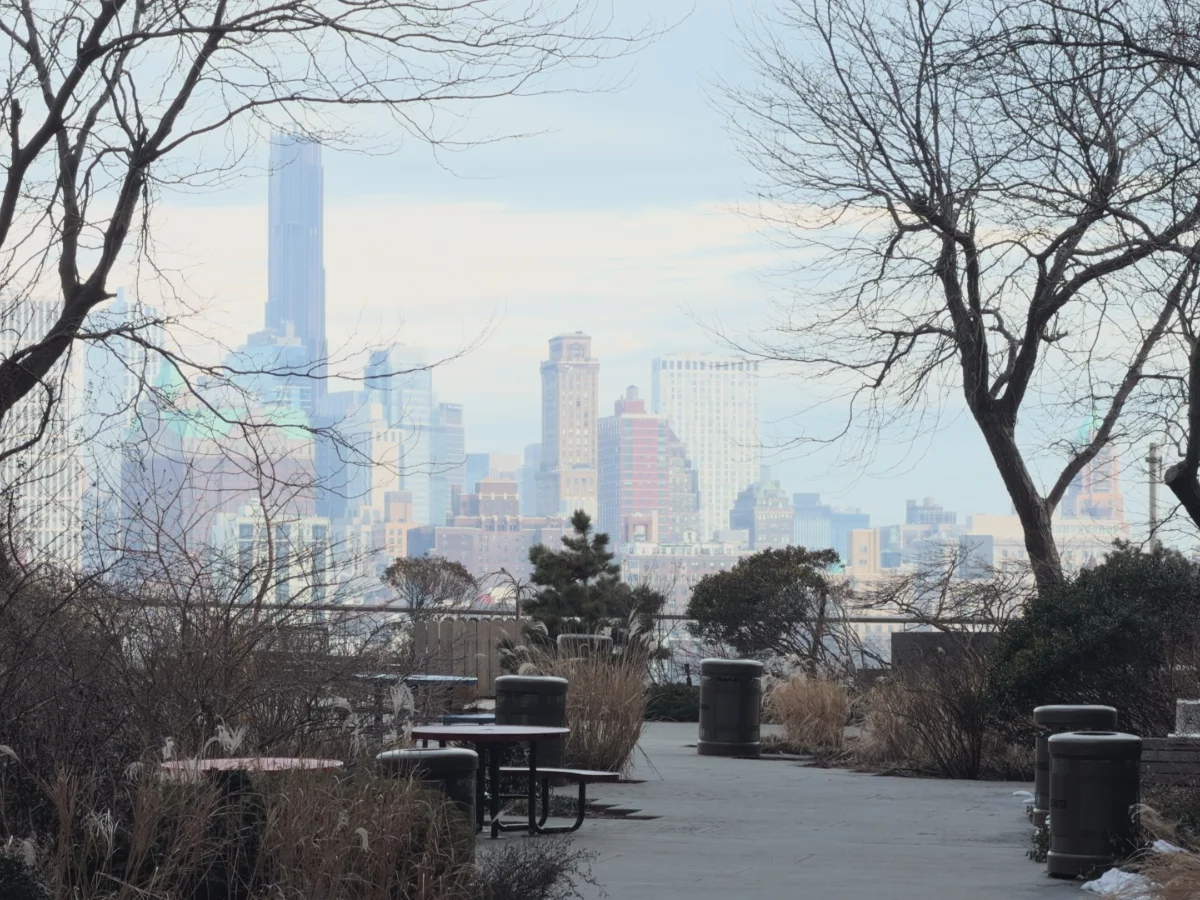
There are some that are hidden gems, like the elevated acre down in the Financial District. A large park with views across the east river accessible by a set of stairs.
Others act as critical oases in the concrete jungle, like 550 Madison Ave., which recently renovated their POPS in 2023. It went from an enclosed underused space, into a crowded, multi-tiered city park, filled with amenities like seating, bathrooms, wifi, and cafes. This space was deemed an exemplary instance of “Good Urban Design” by the department of city planning in 2024.
But, even when the spaces are beautiful and useful, they are still private at the end of the day. And so the public that uses them has to comply with private use guidelines. These guidelines have become increasingly specific over the years, trying to enforce that these spaces are for quote “passive use activities.”
But this wasn’t always the case, and these new rules came from one inciting event.
The Occupy Wall Street movement was based in Zuccotti Park, a publicly owned private space outside of 1 Liberty Plaza. The original rules for POPS said that they had to be open 24 hours a day. City parks, by contrast, always close at night. And so the fact that the park was open all the time allowed the Occupy protestors to actually occupy the park, at least initially anyway.
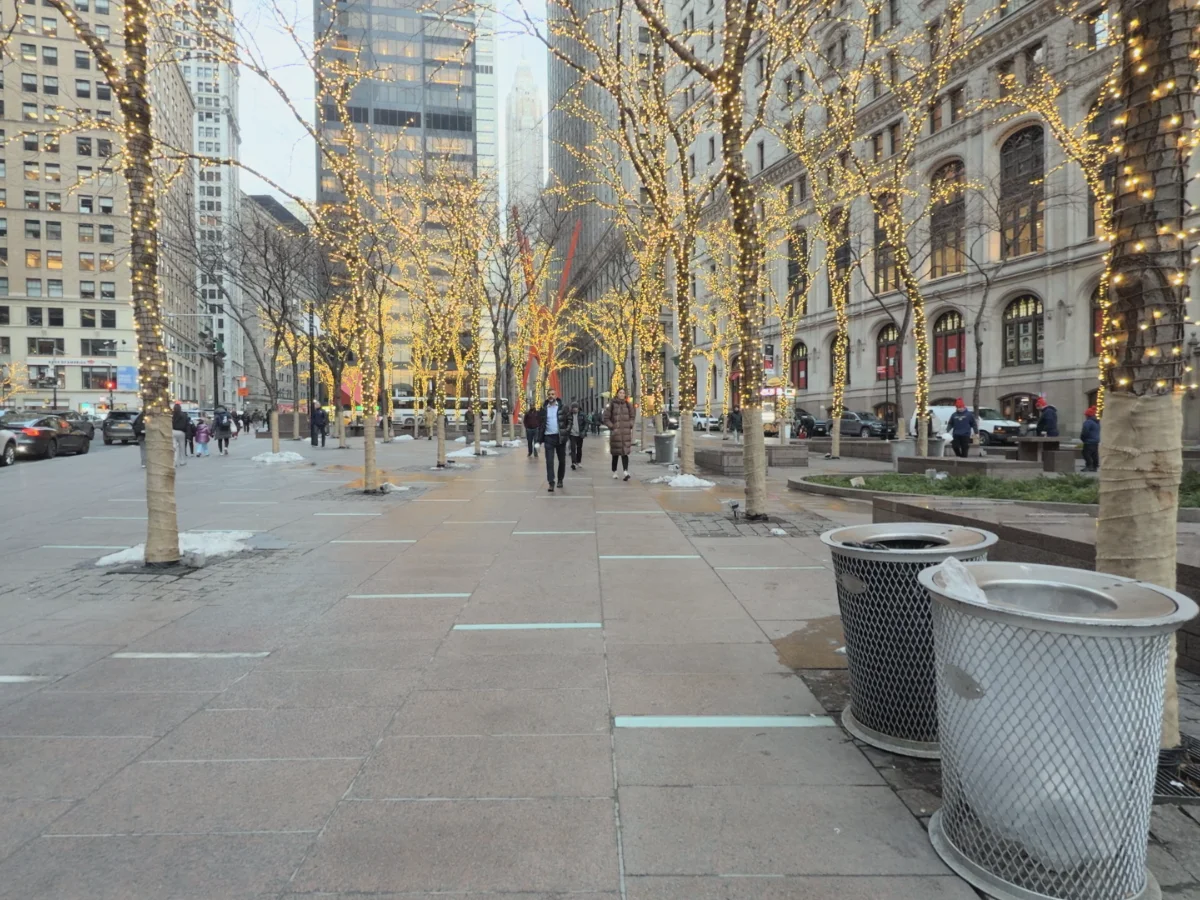
Ultimately, Brookfield, the owner of the park, posted signs against encampments, and eventually the NYPD cleared the park, despite a major back and forth over whether the protestors had a protected 1st amendment right to remain in the park.
In the years that followed, many POPS across the city posted increasingly specific rules to try to avoid becoming the site of another occupy style movement.
At the end of the day, POPS are a compromise. They are designed to help carve out a bit of public space in the densest parts of the city. And like any compromise, they will inevitably have their flaws.
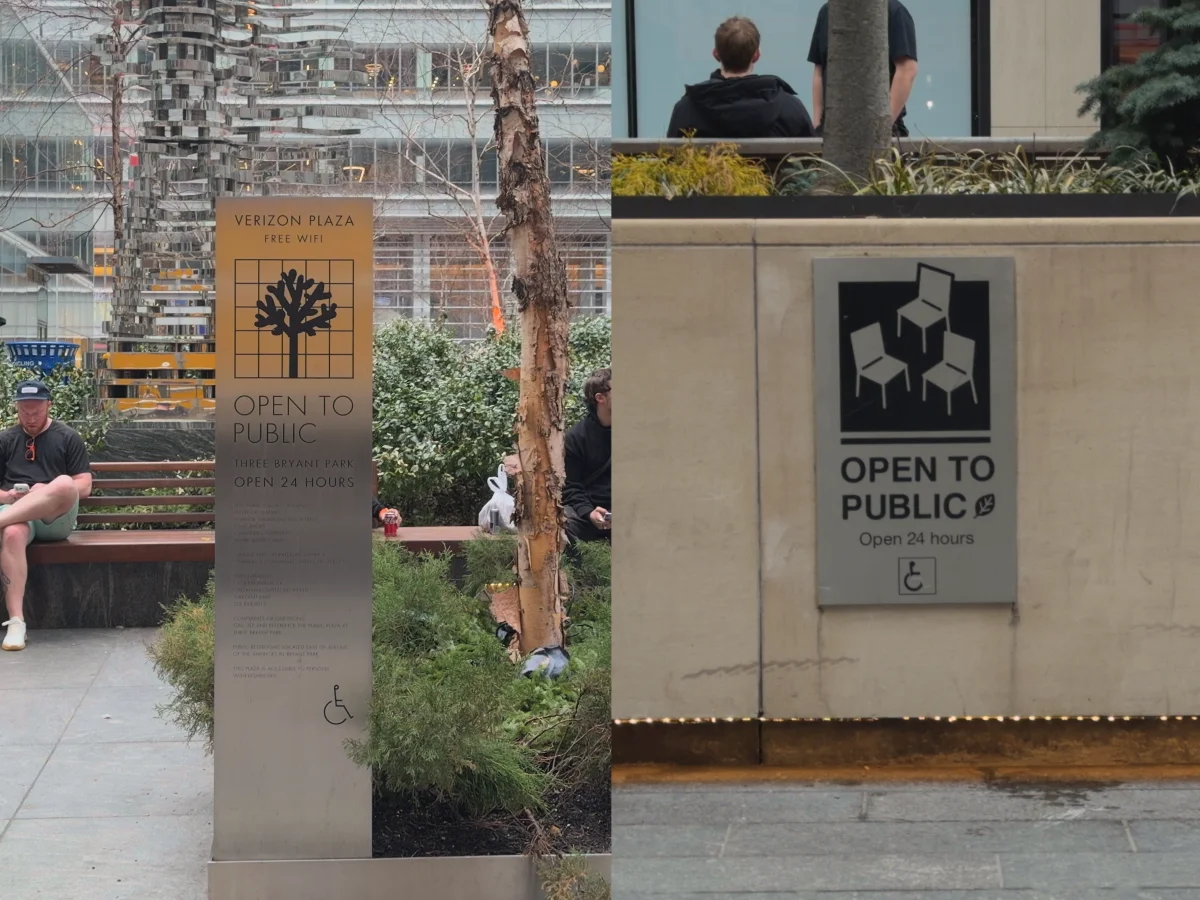
But, it is important for New Yorkers to know these spaces are out there and to use them. In the last decade the city created formal signage requirements for POPS. The logo has changed once or twice, but if you see a sign that looks like the image below you should know that this is a space for your use.
If you want to find out what POPS are near you, we made a map of our own using the city’s open data. You can find this at whatisthis.nyc/pops.
And now we want to hear from you! Do you have any favorite POPS of your own? Do you think the benefits of POPS outweigh the drawbacks? Shoot us an email at team@whatisthis.nyc or tag us on instagram!