You likely have more than one tote bag in your house right now.
The concept of a bag as a tool to hold things is as old as society itself. But the concept of a bag as advertising or social statement might be older than you think.
One of the earliest documented branded bags came in 1886, when a printer named Jasper Meek used his press to create a promotional burlap bag for a local shoe store.
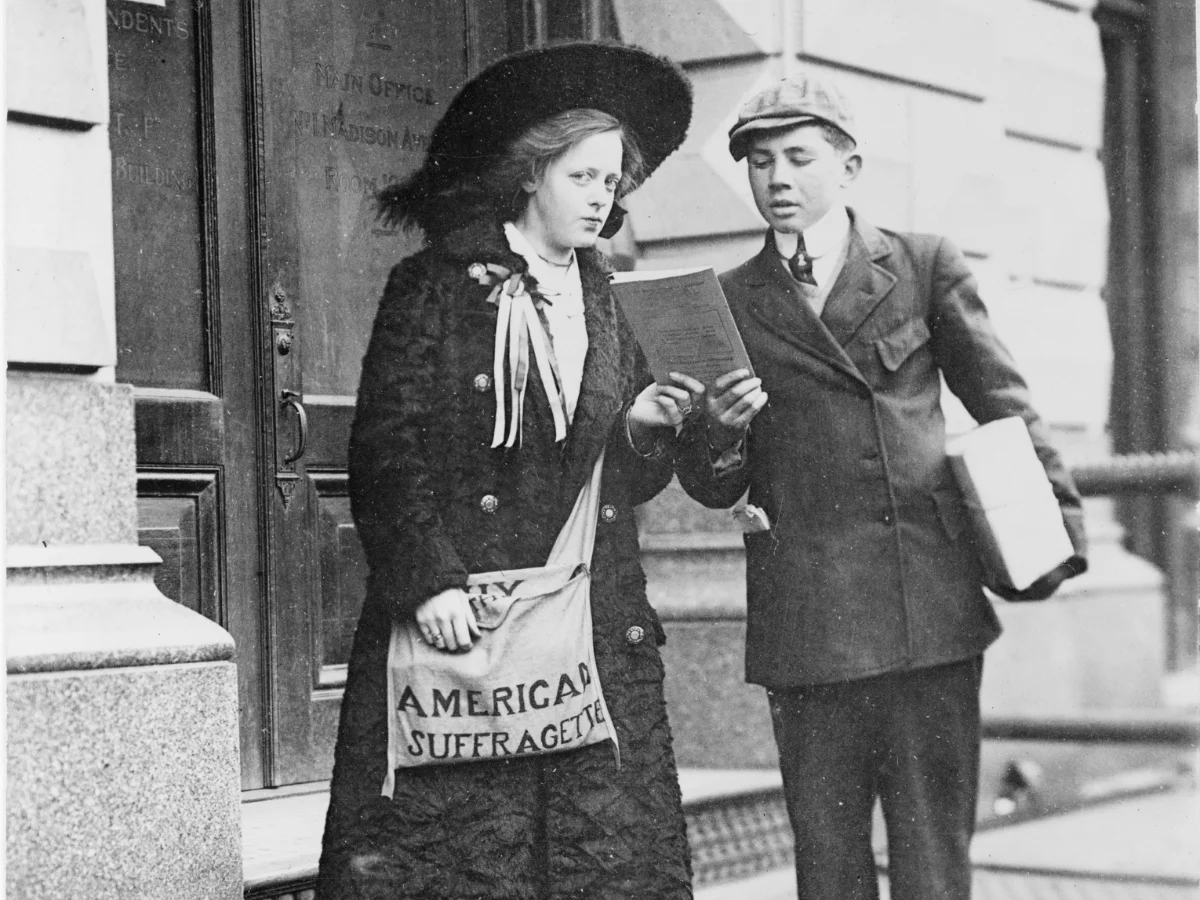
By the early 20th century, bags were also used to promote political positions. Activists carried pamphlets in their bags while advocating for their causes.
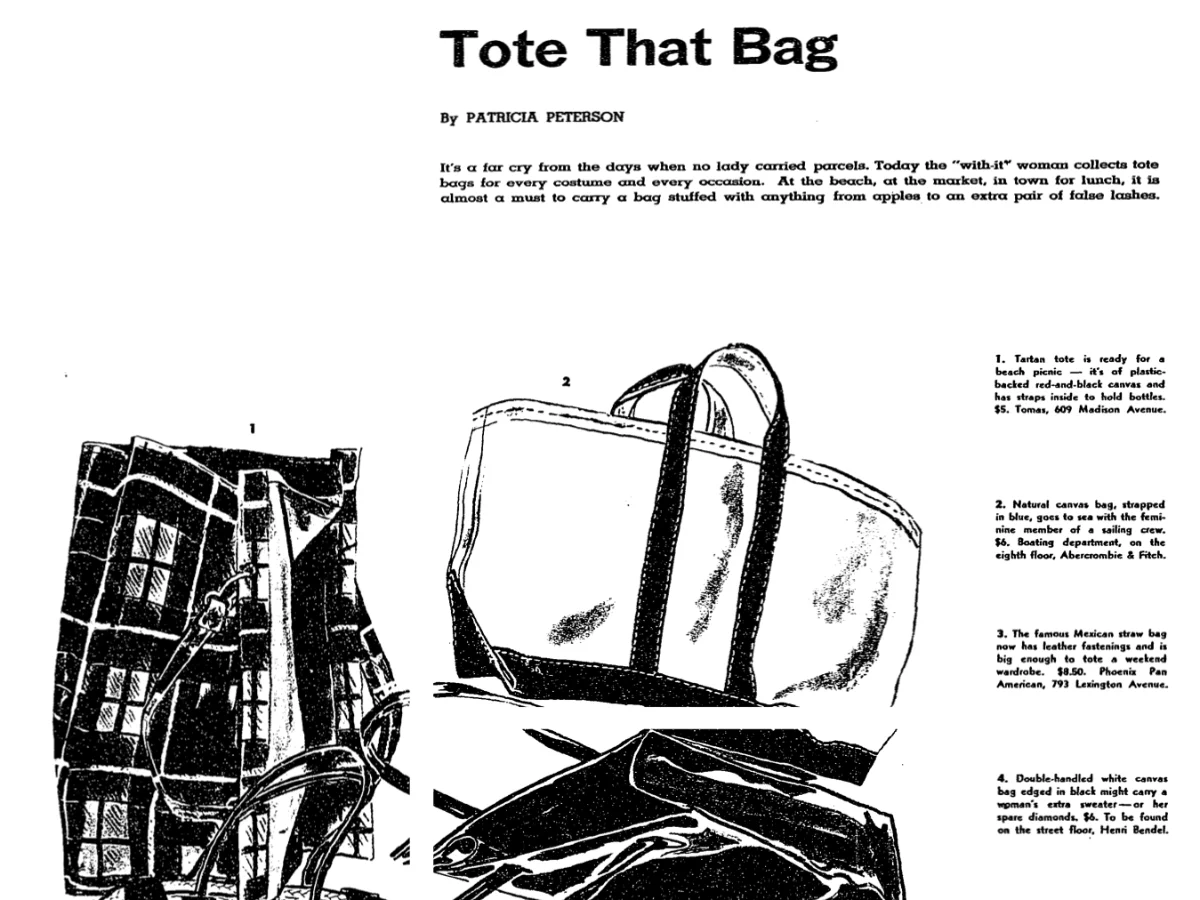
Then, in the 1940s, tote bags became a mass-market consumer item. L.L. Bean first sold their now-famous canvas bag as a tool to carry ice before every household had a refrigerator.
But it took until the late 1960s for the personal tote craze to begin. Brands like L.L. Bean reimagined totes: the ice bag was renamed the now-iconic Boat & Tote, and customers could request details like colorful trim and monograms.
Tote bags were becoming the it item, and fashion designers took notice. This marked a shift from totes as purely functional objects to totes as fashion and expressions of identity.
Decades later, Jane Birkin started carrying things in wicker baskets, prompting Hermes to create the now-famous Birkin bag, a high-end bag inspired by utilitarian carryalls.
Around the same time, the Strand Bookstore began selling a branded cotton tote, helping cement the connection between tote bags and the literary world.
And as the environmental movement gained steam, the tote bag became yet another symbol: reuse, and a rejection of single-use plastics.
Today, tote bags are everywhere. They can signal status, be countercultural, fashionable, utilitarian, obscure, or extremely literal.