Fire, and fire prevention, has a long history in New York City.
In the early 19th century, long before phones, radios, or even professional fire departments, cities relied on watchmen and bell towers to spot fires. At the time, dense wooden buildings and the everyday use of fire for lighting, heating, and cooking made fire a constant threat to city life.
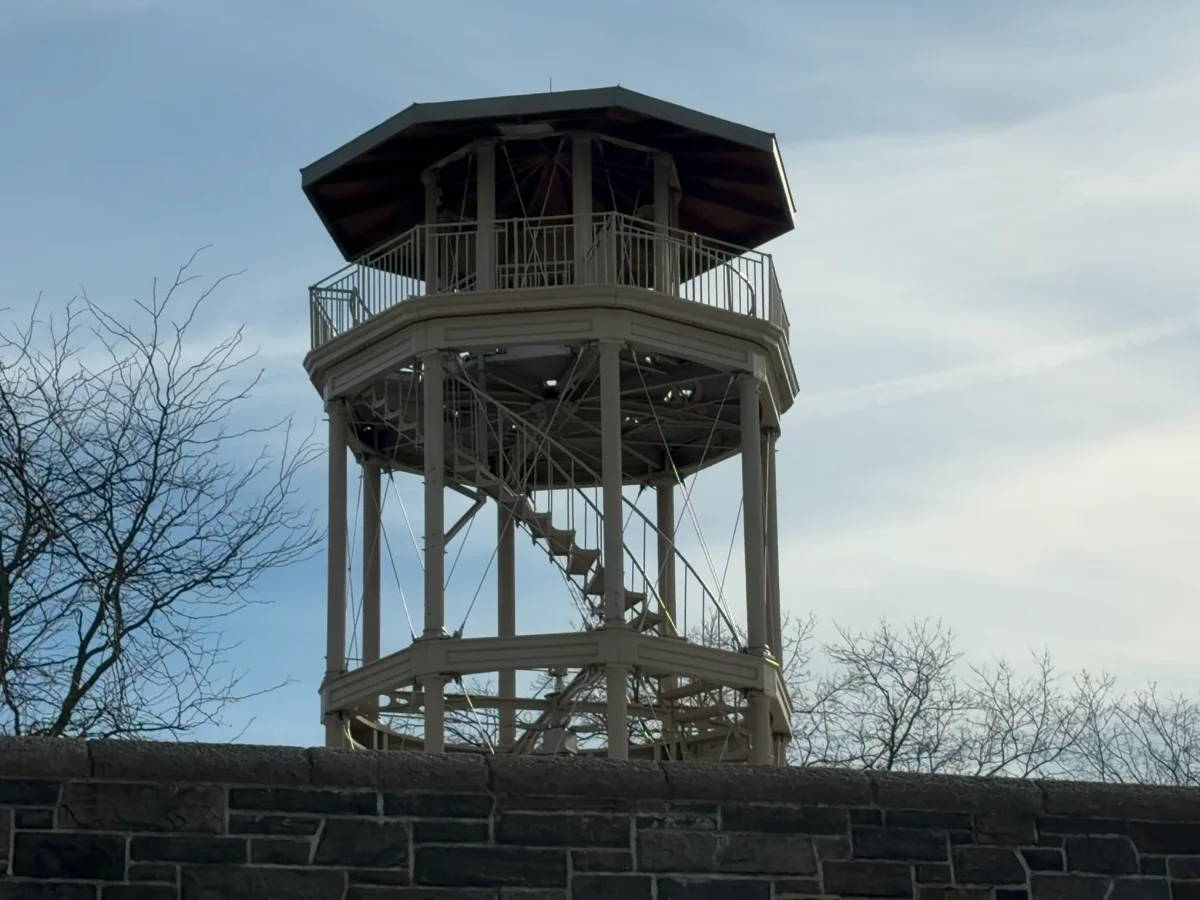
By the mid-1800s, cities began searching for faster systems. In 1852, Boston introduced telegraph fire alarm boxes, and New York quickly followed.
For the first time, ordinary people could directly alert the fire department. When you pulled the handle, the box did not send an address. It sent a number, transmitted over telegraph wire and rung out by a series of bells at the dispatcher’s office.
Firefighters memorized those numbers, and over time they became a mental map of the city.
Cleverly, many call boxes were made of cast iron, not just to last, but to keep working even during a fire.
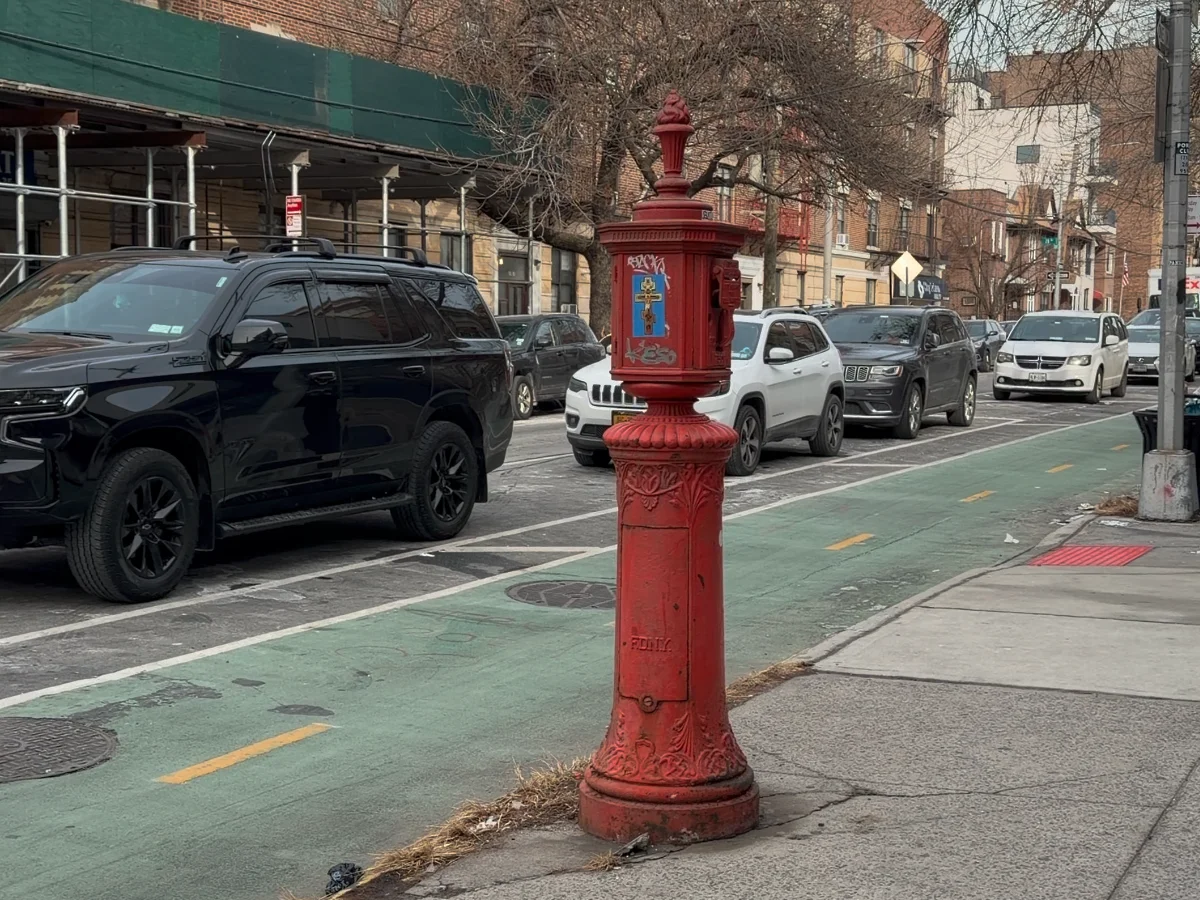
Today, most of these boxes still work (please do not test them without a real emergency, and we do not endorse that!)
They are protected in part because they remain an accessible way for deaf New Yorkers to report emergencies.
Whatever their future may be, they stand as a reminder of the city’s fiery past and an early attempt to make emergency systems available to more people.