It’s easy to think of NYC as a place where you can get anything you at any time. But when it comes to convenience, it pales in comparison to Tokyo. The streets of Tokyo, and truthfully most of Japan, are covered in vending machines. There’s roughly one vending machine for every 30 people in Japan.
These machines fit into a broader Japanese culture of convenience retail.
NYC was like this once too. In the early 1900s, as the city was booming, a restaurant called the Automat opened up. This was a restaurant, which at least on the surface, appeared to have no staff. Instead, you’d walk up to a wall of different food options, insert a coin into a slot, and receive anything from coffee, to a sandwich, to a pie.
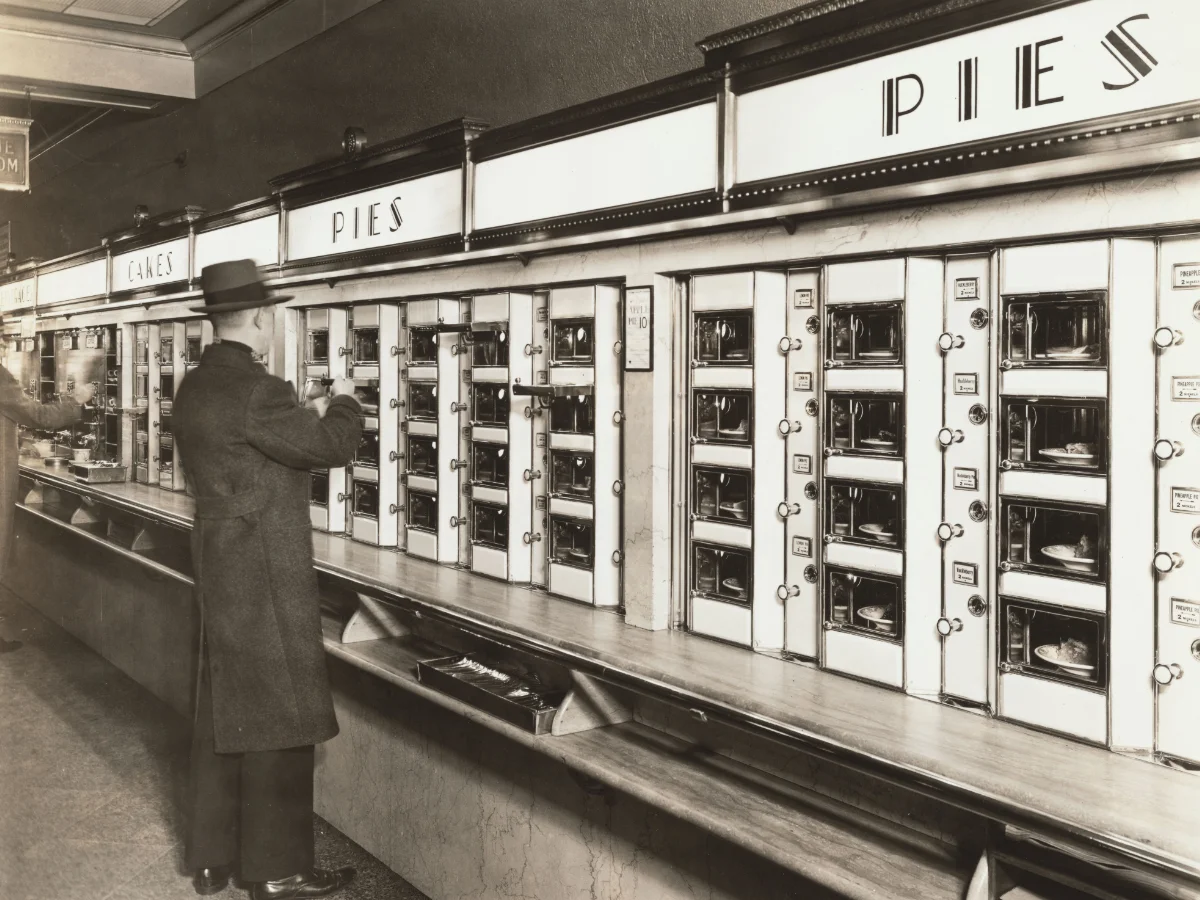
The idea had been born in Europe, but it thrived in early 20th century New York. But its success wasn’t to last. Even though it appeared like no one was working at these restaurants, they relied on an entire staff of cooks behind the scenes. As labor costs rose, the business model became less tenable. At the same time, mid century America saw a boom in suburbanization and the automobile. The Automat model couldn’t adapt to these changes in the way their new found competitors, the modern fast food restaurant, more easily could.
So, the Automat started to wane.
By contrast, this was a moment when automated vending machines really took off in Japan. Automated retail had already enjoyed a long history of popularity by that time; in fact, the first patent for an “automatic goods vending machine” in Japan was filed in 1888. It sold stamps.
But new type of vending machines for drinks appeared in the 60s, and suddenly the number of vending machines quickly grew from around 200,000 to over 1,000,000. And they started flourishing into different shapes and forms.
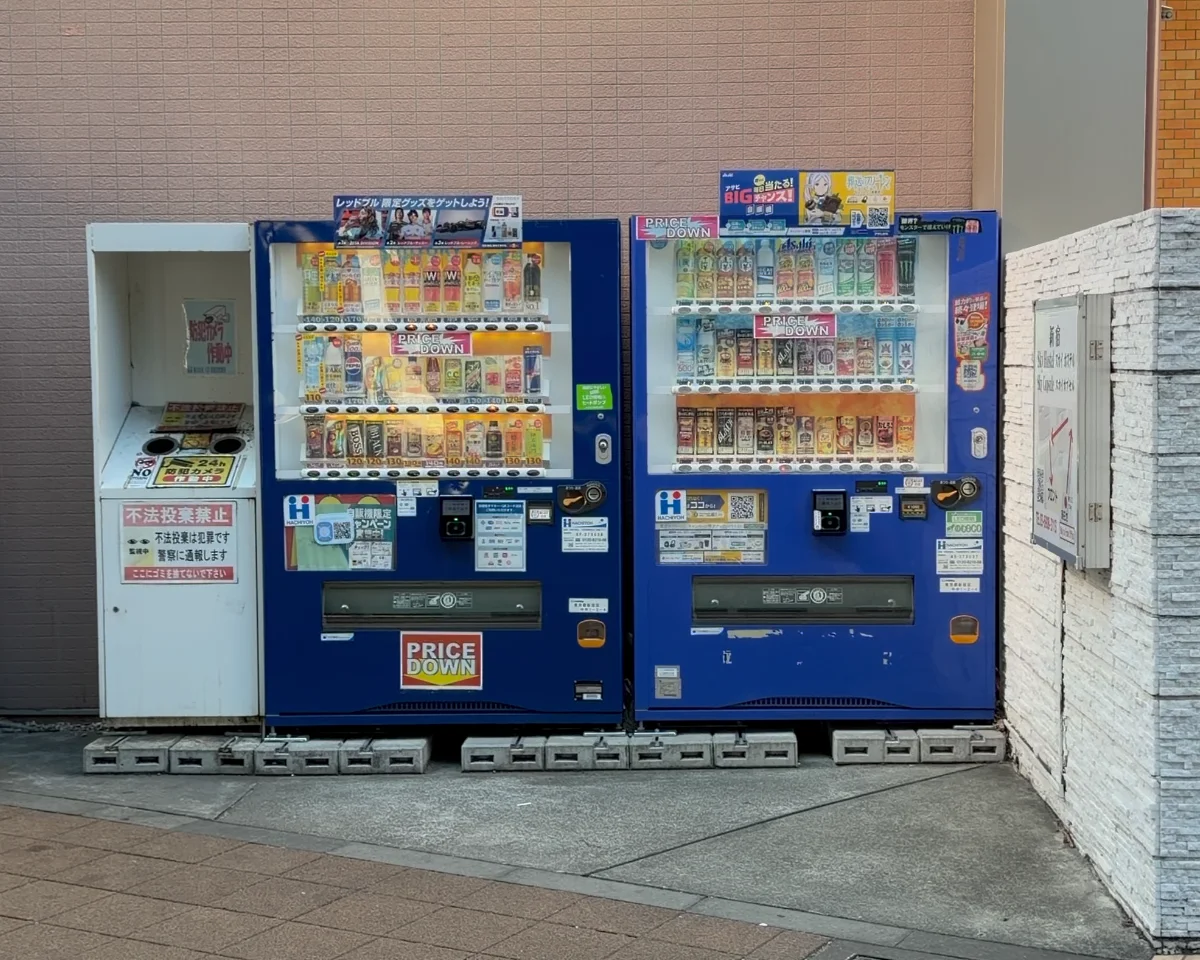
There are vending machines that sell drinks, both hot and cold. There are vending machines that sell beer, or cigarettes. There are plenty of vending machines selling full meals. Walking around Tokyo, it feels as though you can find a vending machine selling anything you can think of.
And there are many reasons why vending machines worked so well in Japan.
First, Japan has low petty crime rates, so vandalism risk is low. This is especially important since so many of Japan’s vending machines are out on the street. By contrast, most vending machines in the US are in captive areas, like inside of offices or malls.
Second, a city like Tokyo has a very high population density, meaning vending machines can more easily be an economically viable option. They are convenience products, not something you go out seeking.
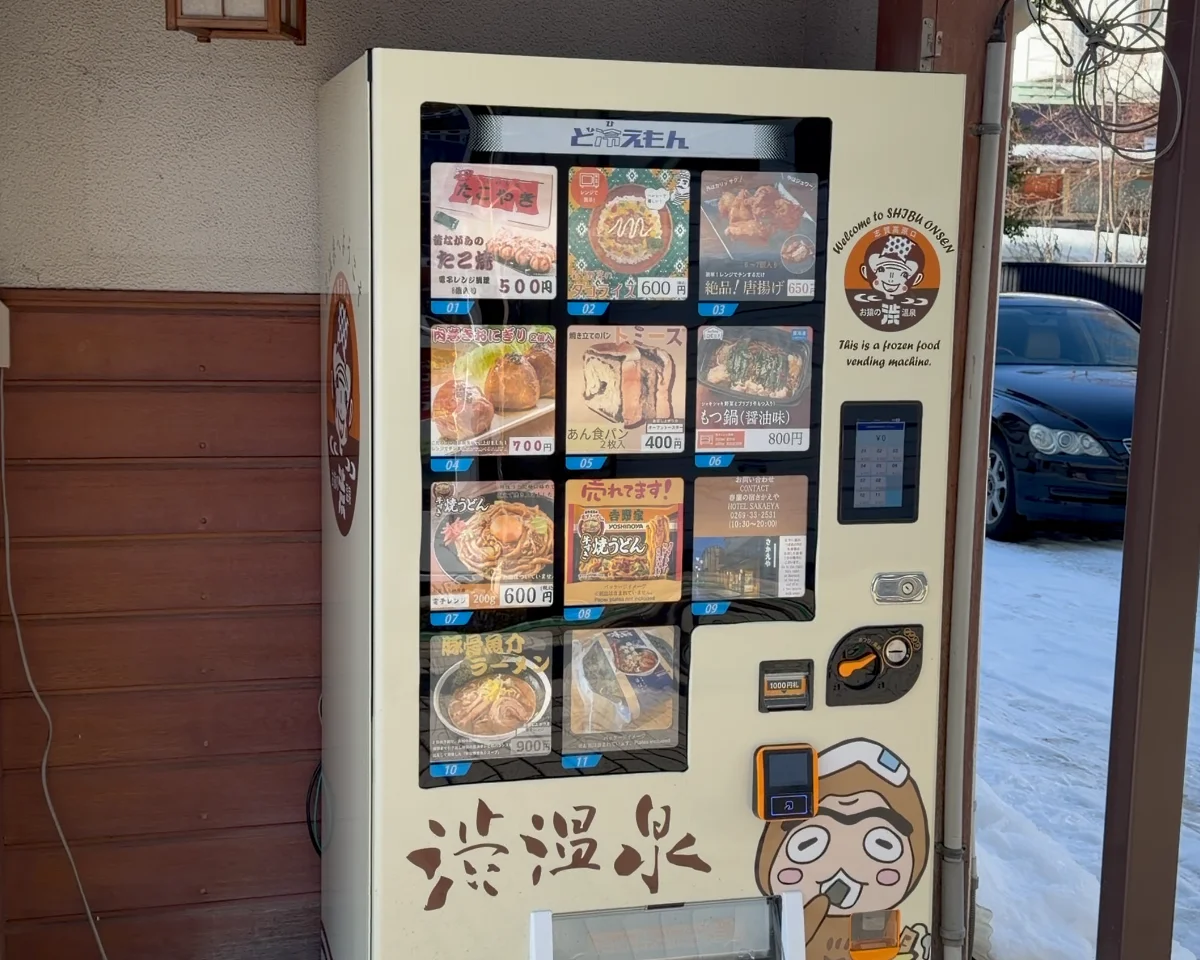
And finally, there are the cultural reasons why vending machines succeeded in Japan: like an appreciation for convenience and a strong acceptance of automated retail.
So what do you think, should we bring outdoor vending machines to NYC? And what would you want them to sell?